2026-11-08
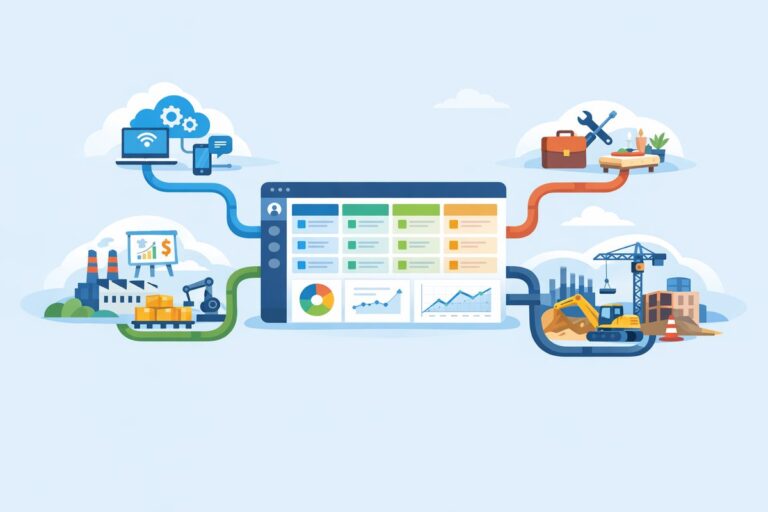
Custom CRM Pipelines for Industry-Specific Sales Motions
Learn how to tailor CRM pipelines by industry without overcomplicating stages, fields, handoffs, or reporting.
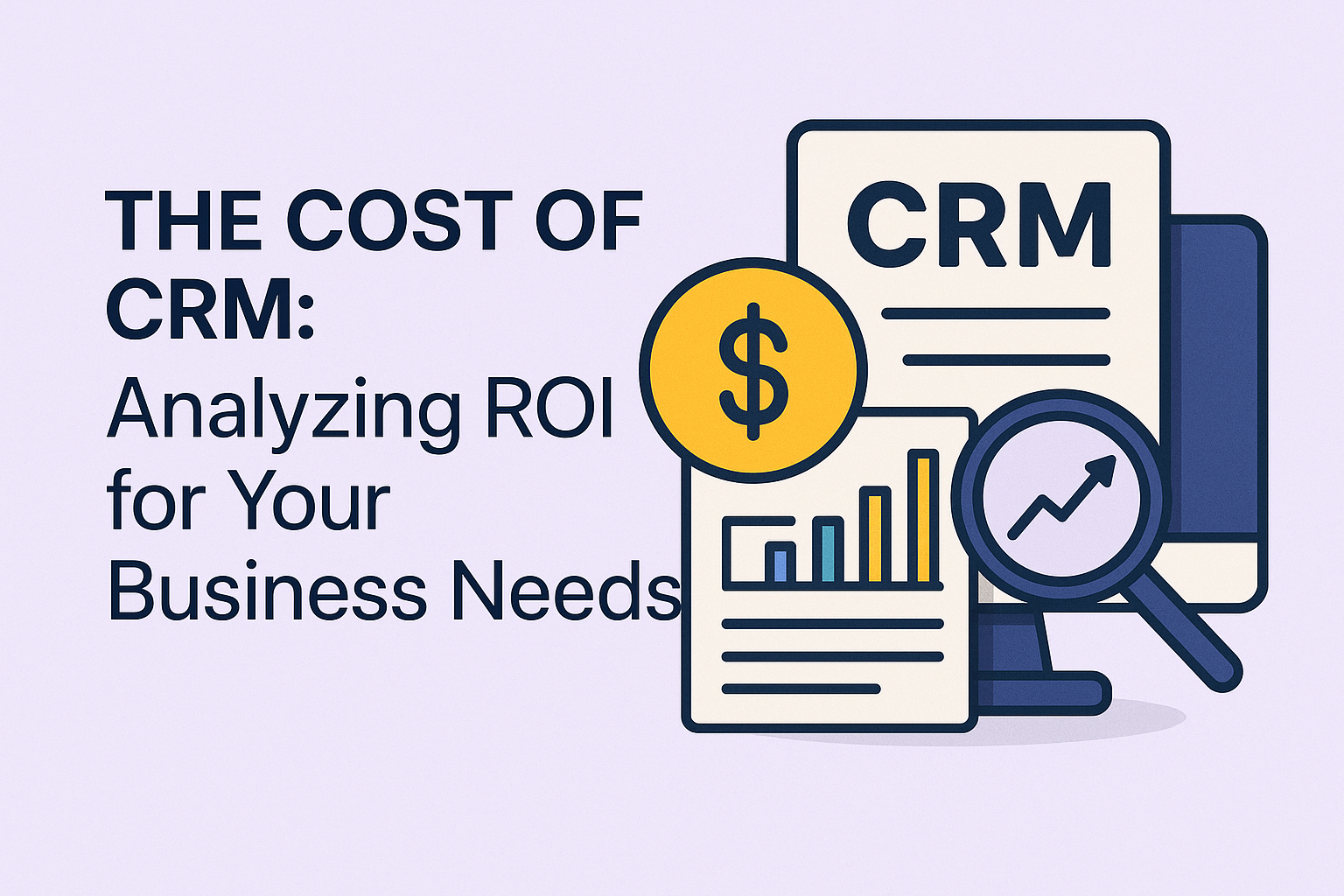
Customer Relationship Management (CRM) systems are essential tools for businesses looking to understand and enhance their interactions with customers. While investing in a CRM solution can be costly, understanding the Return on Investment (ROI) associated with it is crucial for making informed business decisions. In this article, we will explore the costs associated with CRM systems, factors influencing ROI, and how businesses can effectively analyze their CRM investments.
When considering a CRM system, it’s important to break down the costs involved. While these can vary significantly depending on the size of the business and the complexity of the CRM solution, they typically fall into several categories:
To evaluate the effectiveness of your CRM investment, you need to analyze the ROI. This involves assessing both tangible and intangible benefits alongside the costs incurred.
To calculate the ROI of your CRM system, follow these steps:
Add up all the costs associated with your CRM implementation, from licensing fees to training and support.
Establish the tangible benefits quantified in monetary terms as well as qualitative benefits that provide strategic value.
Use the ROI formula:
[ \text{ROI} = \left(\frac{\text{Net Profit}}{\text{Total Investment}}\right) \times 100 ]
Where net profit is calculated as total benefits minus total costs.
This is the time it takes for the benefits to cover the cost of the CRM. A shorter payback period is often a good indicator of a successful investment.
Analyze similar businesses in your industry that have adopted CRM systems and their reported results. This can provide a realistic benchmark for expectations.
Several factors can impact the ROI of your CRM investment:
User Adoption: The more your team uses the CRM, the higher the potential ROI. Ensuring comprehensive training can facilitate this.
Integration with Other Tools: Seamless integration with existing tools (like email, project management, etc.) can enhance functionality and improve efficiency.
Customization: Tailoring the CRM to fit your unique business processes can maximize its effectiveness.
Regular Performance Monitoring: Constantly evaluating the effectiveness of your CRM and making adjustments when necessary can keep it aligned with business goals.
1. What is the average cost of a CRM system?
2. How long does it take to see ROI from a CRM investment?
3. Are cloud-based CRMs more cost-effective than on-premise options?
4. What if my team does not adopt the CRM?
5. Can CRM systems benefit small businesses?
Investing in a CRM solution can be a significant outlay for any business, but understanding and analyzing the associated costs and ROI can make it a worthwhile endeavor. By carefully evaluating your CRM needs, implementing it effectively, and continuously measuring its impact, you can not only improve customer relationships but also drive your business toward sustainable growth.
Learn how to tailor CRM pipelines by industry without overcomplicating stages, fields, handoffs, or reporting.

Learn the warning signs that your CRM no longer fits, plus a practical plan for migration, cutover, and sales team adoption.

A practical guide to syncing CRM and email marketing data so sales and marketing can act on the same customer signals.