
2026-11-08
Custom CRM Pipelines for Industry-Specific Sales Motions
Learn how to tailor CRM pipelines by industry without overcomplicating stages, fields, handoffs, or reporting.
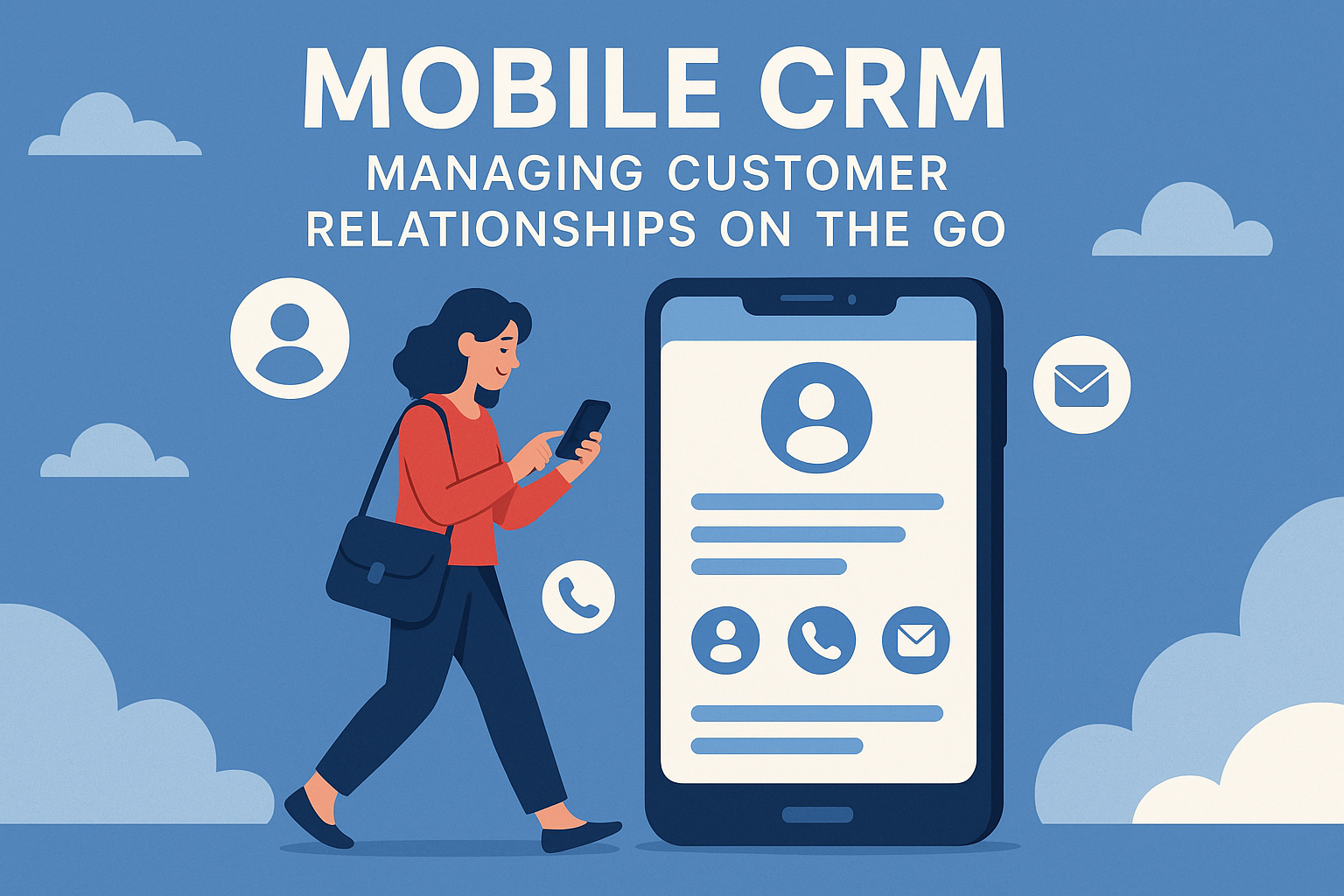
In today’s fast-paced business environment, customer relationship management (CRM) has evolved beyond traditional approaches tied to desktop applications and office settings. With the increasing reliance on mobile technology, businesses are leveraging Mobile CRM to manage customer relationships on the go. This shift not only enhances productivity but also ensures that businesses remain connected with their customers anytime, anywhere.
Mobile CRM refers to the suite of mobile applications designed to facilitate CRM functions directly from smartphones and tablets. It allows sales representatives, customer service agents, and managers to access crucial customer data, communicate with clients, and manage relationships while traveling or working remotely.
Accessibility: One of the most significant advantages of Mobile CRM is accessibility. Sales teams can easily access customer information, track sales leads, and update records in real-time without being confined to their desks. This mobile access minimizes delays in follow-ups and fosters better customer interactions.
Increased Productivity: Mobile CRM tools can enhance productivity by enabling employees to manage tasks efficiently. They can schedule appointments, send follow-up emails, and complete transactions from their devices, reducing the time spent on administrative duties.
Real-time Data Updates: Mobile CRM allows for instant data updates. As team members interact with customers, they can immediately log details, ensuring that all clients’ interactions are accurately recorded. This feature also benefits other team members who may need up-to-date information when following up.
Enhanced Communication: With mobile communication features, such as in-app messaging, video calls, and integrated email systems, Mobile CRM enables seamless communication among team members and customers. This fosters a collaborative environment that can significantly enhance customer satisfaction.
Better Customer Insights: Mobile CRM often incorporates data analytics and reporting tools that allow businesses to gain insights into customer behavior. Sales representatives can track buying patterns, preferences, and engagement levels, which can inform personalized marketing strategies.
When choosing a Mobile CRM solution, businesses should consider several key features that can enhance their customer relationship management efforts:
Contact Management: Mobile CRM should offer a robust contact management system that allows users to store, access, and organize customer information easily.
Task Management: Features for creating, assigning, and monitoring tasks ensure that all team members can stay aligned on customer-related activities.
Lead Tracking: The ability to track leads from initial contact through to conversion is essential for analyzing the sales funnel and improving overall strategies.
Reporting and Analytics: Customized dashboards that provide real-time analytics can help teams identify trends and measure performance against KPIs.
Integration with Other Tools: Mobile CRM should integrate seamlessly with other tools such as email marketing platforms, social media channels, and other business software to streamline workflow.
Choose the Right Platform: No two businesses are alike, and selecting a Mobile CRM that aligns with your specific needs is crucial. Consider factors such as ease of use, pricing, scalability, and the specific features that your team requires.
Train Your Team: Proper training is essential for successful implementation. By ensuring your team is comfortable with the mobile CRM platform, you can maximize its usage and benefits.
Encourage Regular Usage: Regular use of the Mobile CRM leads to better data accuracy and teams that are informed and ready to respond to customer needs.
Gather Feedback: After implementation, seek feedback from users to understand any pain points and areas for improvement. This feedback loop is vital for continuously enhancing the CRM experience.
Utilize Data Wisely: Analyze the data collected through the Mobile CRM to gain insights into customer behavior and adapt strategies accordingly. This data-driven approach can significantly elevate your sales and marketing efforts.
The future of Mobile CRM is rapidly evolving, driven by advancements in technology and changing customer needs. Some trends to watch include:
AI Integration: The integration of artificial intelligence in Mobile CRM is expected to grow. AI can assist in lead scoring, predictive analytics, and personalized customer interactions, making CRM strategies more efficient.
Increased Personalization: As data analytics improve, businesses will be able to offer more personalized experiences through Mobile CRM, tailoring communications based on customer behavior and preferences.
Enhanced Security Features: As mobile technology becomes more widespread, so do concerns around data security. Future Mobile CRM solutions will likely focus on ensuring robust security features to protect sensitive customer information.
Greater Collaboration Tools: The future may see enhanced collaboration features within mobile platforms, helping teams operate more cohesively even when they are not physically together.
Mobile CRM represents a transformative approach to customer relationship management that empowers businesses to operate more efficiently and effectively. By leveraging the power of mobile technology, companies can enhance their customer interactions, ultimately leading to increased satisfaction and loyalty. As technology continues to advance, the possibilities within Mobile CRM will only expand, making it an essential tool for businesses aiming to succeed in a competitive landscape.
1. What are the main benefits of using Mobile CRM?
Mobile CRM provides accessibility, increased productivity, real-time data updates, enhanced communication, and better customer insights.
2. How can Mobile CRM improve sales performance?
By enabling sales teams to access customer information and manage leads on the go, Mobile CRM facilitates timely follow-ups and better engagement with clients, ultimately improving sales performance.
3. Is Mobile CRM secure?
Most reputable Mobile CRM solutions prioritize data security, incorporating features such as encryption and multi-factor authentication to protect sensitive customer information.
4. Can Mobile CRM integrate with other software?
Yes, many Mobile CRM platforms offer integration with various business tools such as email marketing platforms, social media, and project management software for streamlined workflows.
5. What should I consider when choosing a Mobile CRM?
Consider factors such as ease of use, relevant features, pricing, customer support, and the ability to scale with your business needs when selecting a Mobile CRM solution.
Learn how to tailor CRM pipelines by industry without overcomplicating stages, fields, handoffs, or reporting.

Learn the warning signs that your CRM no longer fits, plus a practical plan for migration, cutover, and sales team adoption.

A practical guide to syncing CRM and email marketing data so sales and marketing can act on the same customer signals.