2026-11-08
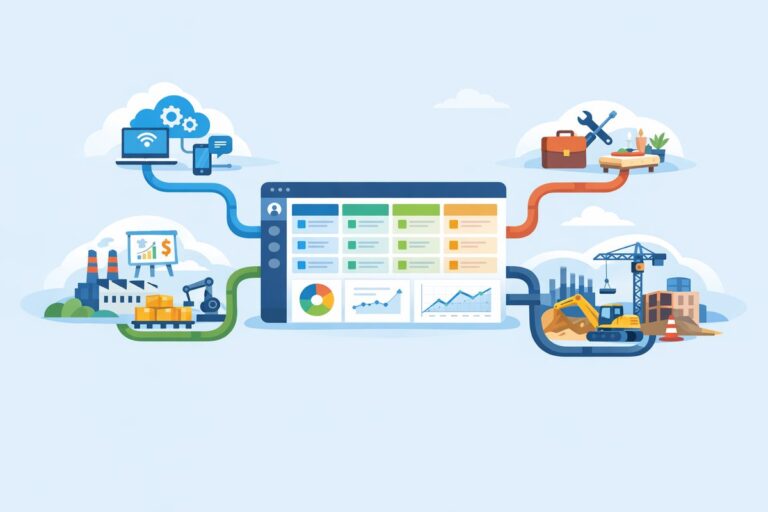
Custom CRM Pipelines for Industry-Specific Sales Motions
Learn how to tailor CRM pipelines by industry without overcomplicating stages, fields, handoffs, or reporting.
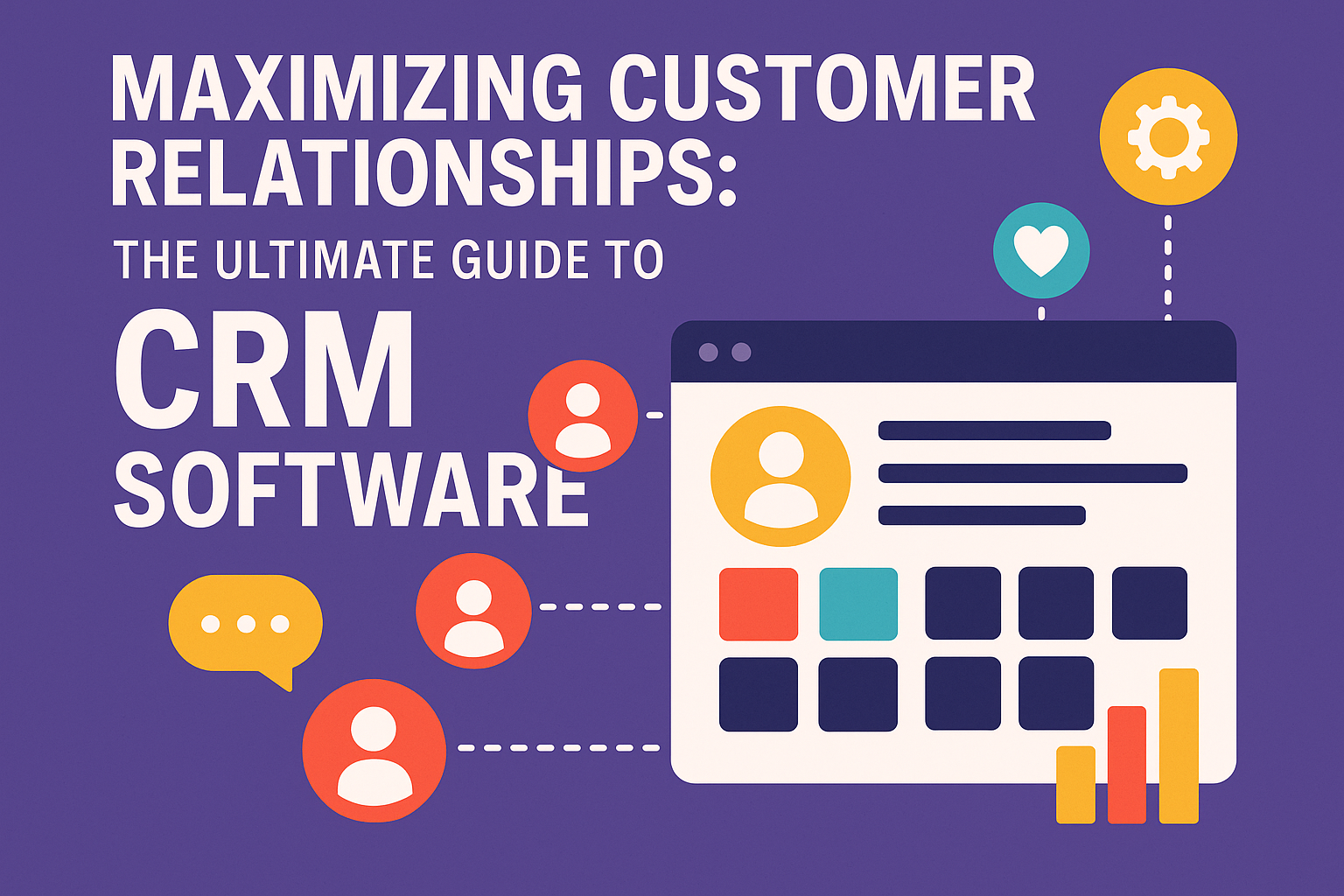
In today’s digital landscape, businesses strive to build and maintain strong relationships with their customers. The fierce competition in nearly every sector necessitates a robust approach to managing customer interactions and data. This is where Customer Relationship Management (CRM) software comes into play. In this ultimate guide, we’ll explore what CRM software is, why it’s crucial for your business, and how to maximize customer relationships using these platforms.
CRM software is a technology that helps businesses manage their interactions with current and potential customers. By employing CRM systems, companies can streamline processes, access customer data, track interactions, and enhance relationships throughout the customer lifecycle. CRM tools are involved in customer acquisition, service, retention, and marketing efforts, providing a holistic view of customer engagement.
CRM software acts as a centralized repository for customer data. This allows businesses to easily access vital information like contact details, purchase history, and previous interactions. Having such information readily available enables teams to personalize their communication and offers, boosting customer satisfaction.
Effective CRM systems equip customer service representatives with the tools necessary to respond promptly and accurately to customer inquiries. With historical data and a clear understanding of customer preferences, teams can solve problems faster and improve overall service quality.
CRM software can enhance the sales process by providing sales teams with insights based on customer data. Understanding customer behaviors and preferences helps in creating targeted sales campaigns that ultimately increase conversion rates and sales.
With CRM tools, marketing teams can analyze the effectiveness of their campaigns by segmenting customers based on various parameters. This data-driven approach allows for targeted marketing efforts that resonate with specific customer segments, leading to better engagement and higher ROI.
Collaboration is essential in any business environment. CRM software enables different departments—sales, marketing, support—to share information easily. This interconnectedness fosters teamwork, ensuring all team members are on the same page regarding customer interactions.
When choosing a CRM system, look out for these essential features:
This feature allows businesses to store and manage customer information, including names, emails, phone numbers, and interaction history.
Sales automation tools help streamline the sales process, from lead generation to deal closing. Features may include automated email tracking, follow-up reminders, and sales forecasting.
A good CRM should have integrated customer support functionalities that enable tracking support tickets, managing customer inquiries, and providing solid solutions.
Data-driven insights are vital for decision-making. CRM systems should offer robust reporting and analytics tools to track performance metrics and KPIs.
Your CRM should integrate seamlessly with other software systems, such as email marketing platforms, accounting tools, and social media channels, for a unified experience.
Investing in CRM software is only part of the equation. To maximize its benefits, allocate time for comprehensive training for your employees. A well-trained staff is better equipped to leverage the software effectively and provide superior customer service.
Utilize CRM data to gain insights into customer preferences and behaviors. Use this information to tailor communications and offers, enhancing the customer experience and fostering loyalty.
Keep your customer database clean and current. Encourage team members to update customer information regularly to ensure that all customer interactions are based on the most accurate data.
Leverage automation features in your CRM to manage repetitive tasks, such as follow-up emails or scheduling. By automating these tasks, your team can focus on delivering a more personalized service.
Utilize your CRM to gather and analyze customer feedback. By engaging with customers about their experiences and suggestions, you can continually refine your service and build better relationships.
Regularly assess customer interactions through your CRM dashboards. By monitoring engagement levels, you can identify issues, spot trends, and proactively address any potential customer relationship challenges.
A customer’s journey often touches multiple departments. Promote a culture of collaboration through your CRM, enabling teams to share insights and ensuring a consistent customer experience throughout.
When selecting CRM software, consider the following factors:
CRM software is a technology that helps businesses manage and analyze customer interactions and data throughout the customer lifecycle.
By centralizing customer information, streamlining communication, and enabling personalized service, CRM software fosters stronger customer relationships.
Look for contact management, sales automation, customer support tools, reporting analytics, and integration capabilities with other software.
Yes, many CRM solutions cater specifically to small businesses, offering affordable pricing models and essential features for effective customer management.
Consider factors like scalability, user-friendliness, customer support, and pricing structure to ensure the software meets your business needs.
In the competitive world of business, maintaining strong customer relationships is integral to success. By implementing an effective CRM software system, companies can streamline operations, enhance customer communications, and ultimately drive growth. Take the time to assess your organization’s unique needs and invest wisely in solutions that can elevate customer experiences and long-term relationships.
Learn how to tailor CRM pipelines by industry without overcomplicating stages, fields, handoffs, or reporting.

Learn the warning signs that your CRM no longer fits, plus a practical plan for migration, cutover, and sales team adoption.

A practical guide to syncing CRM and email marketing data so sales and marketing can act on the same customer signals.