2026-11-08
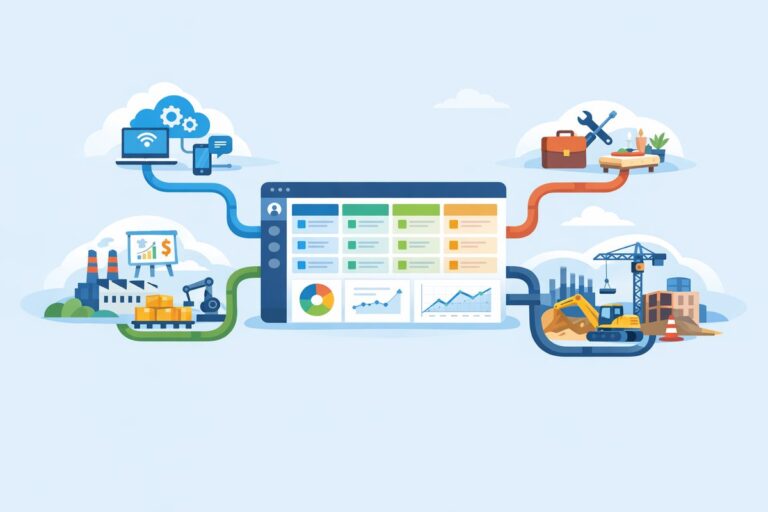
Custom CRM Pipelines for Industry-Specific Sales Motions
Learn how to tailor CRM pipelines by industry without overcomplicating stages, fields, handoffs, or reporting.

In today’s data-driven business environment, organizations continuously seek ways to leverage information for competitive advantage. Salesforce, a leader in customer relationship management (CRM), offers a robust analytics platform that allows companies to transform vast amounts of data into actionable insights. By utilizing Salesforce Analytics, organizations can enhance decision-making, improve customer satisfaction, and ultimately drive growth.
Analytics plays a crucial role in understanding and interpreting data collected from various sources, such as customer interactions, sales transactions, and marketing campaigns. Businesses today generate massive volumes of data, and the ability to analyze this data can provide insights into customer behavior, market trends, and operational effectiveness.
In essence, analytics helps organizations:
Identify Opportunities: By analyzing data, businesses can uncover new market opportunities, product enhancements, or even identify gaps in customer needs.
Enhance Customer Experience: Understanding customer preferences and behavior allows organizations to tailor their offerings, thereby improving satisfaction and loyalty.
Optimize Operations: Analytics can help streamline processes, reduce cost, and improve efficiency.
Facilitate Data-Driven Decision Making: With actionable insights, leaders can make informed decisions that align with business objectives and lead to better outcomes.
Salesforce Analytics encompasses a suite of tools designed to provide comprehensive analytics capabilities within the Salesforce environment. These tools include Einstein Analytics, Tableau, and robust reporting features available within the Salesforce platform. By integrating these tools, businesses can create a more holistic view of their operations and customers.
Visual Dashboards: Salesforce Analytics enables users to create interactive and visually appealing dashboards, which provide real-time insights into various business metrics. Users can quickly visualize data trends and patterns, making it easier to identify areas for improvement.
Custom Reporting: Users can build custom reports tailored to specific business needs. This flexibility allows organizations to drill down into particular data sets and gain insight into critical KPIs.
AI-Driven Insights: With the integration of artificial intelligence through Salesforce Einstein, users can receive predictive insights that help forecast future trends and outcomes. This capability aids in proactive decision-making.
Data Integration: Salesforce Analytics can integrate with various data sources, including external databases, spreadsheets, and other SaaS applications. This integration provides a unified view of the data, making it easier to analyze and derive insights across platforms.
Collaboration Tools: The platform facilitates collaboration among teams by allowing users to share reports and dashboards easily, ensuring everyone is aligned with the data-driven strategy.
To leverage the power of Salesforce Analytics fully, organizations need to adopt a systematic approach. Here are steps to transform data into actionable insights.
Before diving into analytics, businesses must identify what questions they want to answer. Clear objectives help guide the data collection process and the metrics that need to be analyzed. For example, are you looking to improve sales forecasting? Increase customer retention? Optimize marketing campaigns? Having clear goals will shape the analytics strategy.
Once objectives are set, the next step is to collect relevant data. Salesforce provides access to a wealth of internal and external data. Organizations should consider all sources of data available in their Salesforce environment, as well as integrating external data that could add value to their analysis.
With data in hand, organizations can now use Salesforce Analytics tools to analyze the information. Leveraging visual dashboards, custom reports, and AI-driven insights will allow users to identify trends and patterns. This phase may involve segmenting data by demographics, product categories, or time periods to derive deeper insights.
The next step is to extract actionable insights from the analyzed data. This analysis should focus on identifying key findings that can inform business strategies. Insights might include understanding customer buying patterns, pinpointing high-value customer segments, or revealing areas where operations can be optimized.
Once actionable insights are derived, organizations must implement changes based on their findings. This could involve refining marketing strategies, redesigning customer service approaches, or even training staff on new sales tactics.
Analytics is not a one-time activity. Businesses must continuously monitor the outcomes of their changes and refine their strategies as necessary. Using Salesforce Analytics, organizations can set up ongoing reports that keep teams informed about the impact of their decisions and any shifts in data trends.
Many organizations have successfully harnessed Salesforce Analytics to drive growth and enhance customer experiences. For instance, a retail chain used data analytics to optimize their inventory management system. By analyzing sales data, they could predict which products were likely to sell well in upcoming seasons, minimizing excess inventory and maximizing sales.
Another successful case involved a financial services company that implemented customer segmentation analysis through Salesforce. Armed with insights into consumer behavior, they tailored their marketing efforts, resulting in a significant increase in engagement and conversion rates.
Harnessing Salesforce Analytics enables organizations to turn raw data into actionable insights that drive tangible business results. By following a systematic approach—from defining objectives to implementing changes—businesses can unlock the full potential of their data, improve decision-making, and enhance customer relationships. As the importance of data continues to rise, those who effectively leverage analytics will have a distinct advantage in the marketplace.
Salesforce Analytics is a suite of tools in the Salesforce platform that facilitates data analysis and visualization, allowing organizations to gain insights into their business operations, sales, and customer interactions.
Using Salesforce Analytics can enhance decision-making, improve customer engagement, identify opportunities for growth, and streamline operations through data-driven insights.
Salesforce Analytics can analyze a wide range of data, including sales figures, customer interactions, marketing campaign performance, and operational metrics. It can also integrate with external data sources for a more comprehensive analysis.
While basic data literacy is helpful, Salesforce Analytics is designed to be user-friendly with drag-and-drop features for visualizations. Many users can navigate the tools without extensive technical background.
Start by defining clear business objectives, gather relevant data, leverage Salesforce tools to analyze the data, derive insights, implement the necessary changes, and continuously monitor for improvement. You may also want to consider training for your team to maximize these tools’ effectiveness.
Learn how to tailor CRM pipelines by industry without overcomplicating stages, fields, handoffs, or reporting.
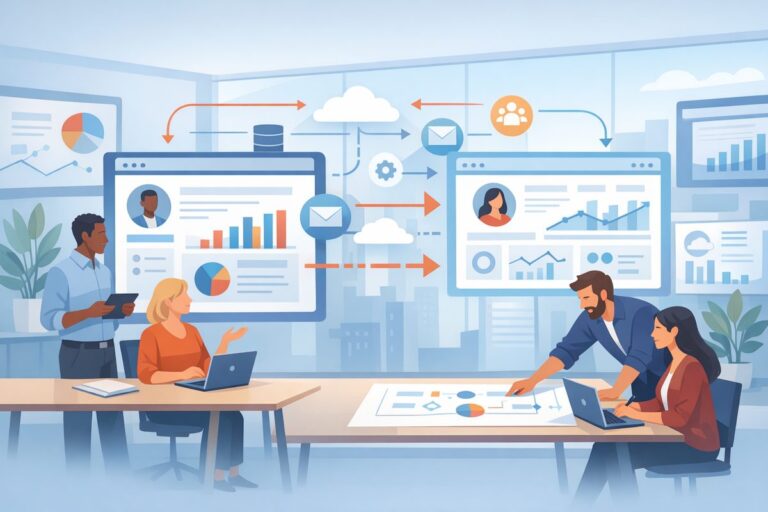
Learn the warning signs that your CRM no longer fits, plus a practical plan for migration, cutover, and sales team adoption.
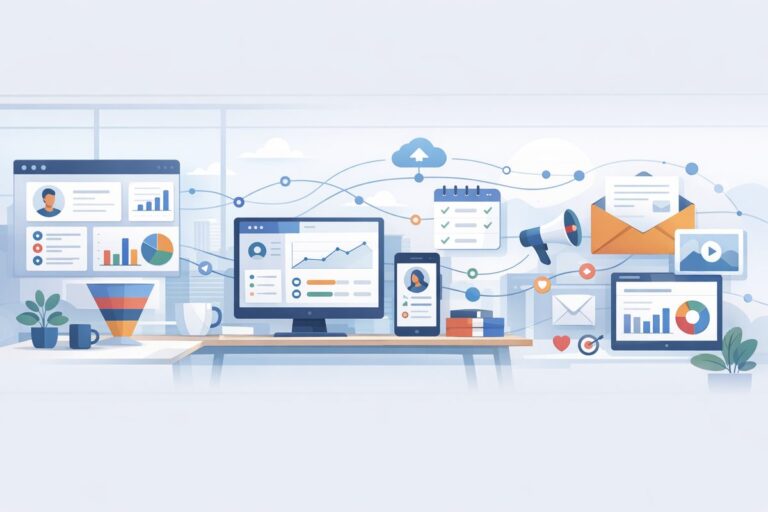
A practical guide to syncing CRM and email marketing data so sales and marketing can act on the same customer signals.