2026-11-08
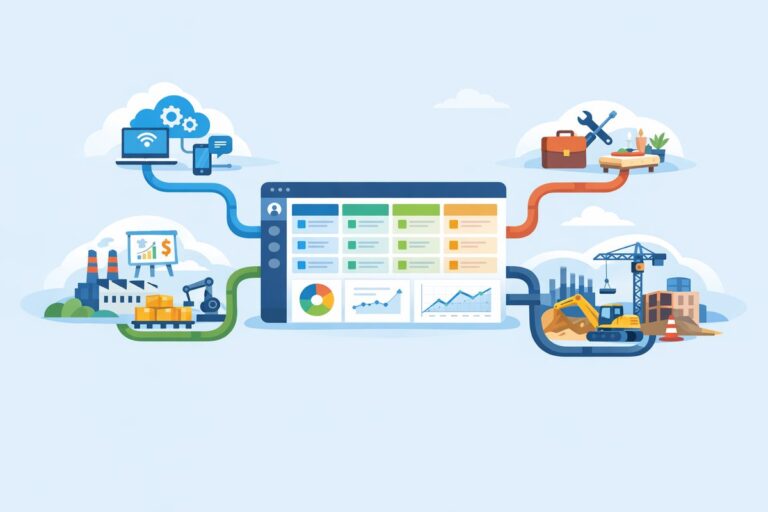
Custom CRM Pipelines for Industry-Specific Sales Motions
Learn how to tailor CRM pipelines by industry without overcomplicating stages, fields, handoffs, or reporting.
In the digital age, customer relationship management (CRM) has emerged as a cornerstone for businesses striving to enhance their customer engagement and satisfaction. As organizations increasingly rely on CRM systems to store and analyze customer data, the importance of data security cannot be overstated. This article will explore effective strategies for safeguarding customer information within your CRM system, the challenges that arise, and proactive measures companies can implement to secure this sensitive data.
CRM systems serve as centralized databases that house customer data, interactions, and insights which businesses utilize to support informed decision-making and tailored marketing efforts. By managing information from various channels—like social media, emails, and sales calls—companies can foster stronger relationships with customers. However, as the reliance on these systems grows, so does the risk associated with handling sensitive customer information.
With the surge in data breaches and cyberattacks, safeguarding customer information is more critical than ever. According to a report by Cybersecurity Ventures, global cybercrime damage costs are projected to reach $10.5 trillion annually by 2025. Businesses of all sizes are vulnerable, from large corporations to small startups. The consequences of a data breach extend beyond financial losses—they can severely damage an organization’s reputation and erode customer trust.
Phishing Attacks:
Cybercriminals often use deceptive emails or messages to trick employees into providing access credentials, thereby compromising sensitive data.
Malware:
Malicious software can infiltrate systems, damaging or stealing data, and making recovery expensive and time-consuming.
Insider Threats:
Employees, either maliciously or accidentally, can compromise data integrity through negligence or intentional actions.
Weak Passwords and Authentication:
Simple or recycled passwords make CRM systems susceptible to unauthorized access.
Protecting customer data in your CRM should encompass a multi-layered approach. Below are several strategies organizations can employ:
Encryption converts customer data into a format that cannot be easily understood by unauthorized personnel. Implementing robust encryption protocols—both at rest and in transit—ensures that even if data is intercepted, it remains unreadable.
Implement role-based access controls (RBAC) to ensure that only authorized personnel have access to specific data. By limiting access based on job responsibilities, you can minimize the risk of unauthorized exposure.
Enabling MFA adds an additional layer of security by requiring users to provide two or more verification factors to gain access to their CRM system. This decreases the chance of unauthorized access, even if credentials are compromised.
Ensuring that your CRM software is updated regularly is vital. Software vendors frequently release patches to address security vulnerabilities, and neglecting these updates can leave systems open to threats.
Collect only the data you need for your CRM activities. By limiting the volume of sensitive customer information stored, you reduce the potential damage in case of a data breach.
Conduct regular training sessions to educate employees about data security best practices, focusing on recognizing phishing attempts and reinforcing the importance of password management.
Establish comprehensive backup solutions. Regular backups ensure that in the event of a data loss incident, whether through a cyberattack or hardware failure, you can restore your systems quickly and minimize downtime.
Regularly audit CRM systems to assess compliance with security protocols. Continuous monitoring of user activity can help identify suspicious actions early and prevent potential breaches.
Besides implementing practical security measures, understanding and adhering to data protection laws is essential. Regulations like the General Data Protection Regulation (GDPR) and the California Consumer Privacy Act (CCPA) mandate strict protocols for handling customer data. Non-compliance can result in hefty fines and severe reputational damage.
Creating a security-centric culture within an organization requires commitment from leadership to frontline staff. Incorporate data security into the company’s core values, emphasizing its importance at every level. Encourage employees to report suspicious activities without fear of repercussions, reinforcing a proactive approach to data security.
Incorporating advanced technology, such as artificial intelligence and machine learning, can bolster your data security efforts. These technologies can analyze vast amounts of data to detect anomalies and potential breaches in real-time, allowing teams to respond promptly.
Data security in CRM systems is a multi-faceted issue that demands attention from all levels of an organization. By implementing robust security measures, educating employees, ensuring compliance, and fostering a culture of data protection, businesses can significantly mitigate the risks associated with managing customer information. Ultimately, securing customer data is not just a legal obligation but a commitment to building trust and loyalty with clients, positioning your brand for long-term success.
1. What is CRM data security?
CRM data security refers to the measures and practices implemented to protect sensitive customer information stored in CRM systems from unauthorized access, breaches, and loss.
2. Why is data security important in CRM?
Data security is vital to maintain customer trust, comply with regulatory requirements, and protect the organization from financial and reputational damage associated with data breaches.
3. What are common threats to CRM data?
Common threats include phishing attacks, malware, insider threats, weak passwords, and unauthorized access to sensitive information.
4. How can I secure my CRM system?
You can secure your CRM system by using encryption, implementing access controls and multi-factor authentication, conducting employee training, and regularly updating your software.
5. Are there regulations regarding customer data protection?
Yes, regulations like GDPR and CCPA impose strict requirements on how businesses should handle and protect customer data.
6. What should I do if my CRM data is compromised?
If you suspect a data breach, follow your organization’s incident response plan, notify affected parties, and report the incident to relevant authorities.
7. How often should I audit my CRM data security?
Regular audits—at least annually or semi-annually—are recommended to ensure compliance and identify potential vulnerabilities.
By prioritizing data security in your CRM efforts, you not only protect your organization but also reassure your customers that their information is in safe hands.
Learn how to tailor CRM pipelines by industry without overcomplicating stages, fields, handoffs, or reporting.

Learn the warning signs that your CRM no longer fits, plus a practical plan for migration, cutover, and sales team adoption.

A practical guide to syncing CRM and email marketing data so sales and marketing can act on the same customer signals.