2026-11-08
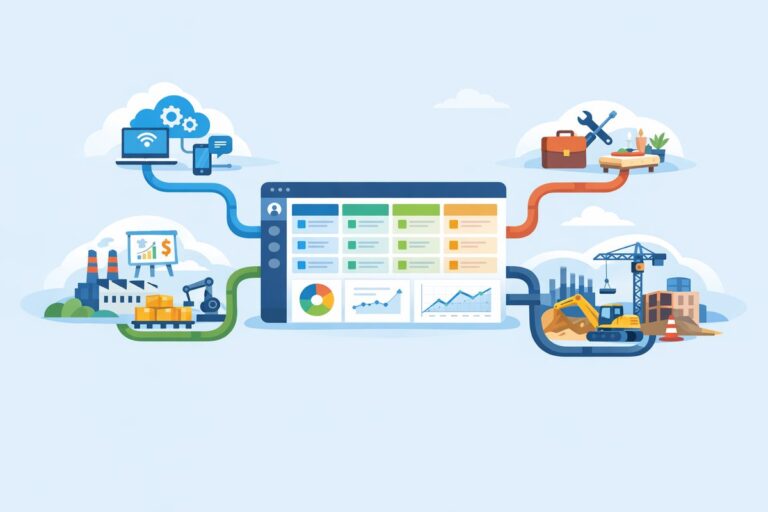
Custom CRM Pipelines for Industry-Specific Sales Motions
Learn how to tailor CRM pipelines by industry without overcomplicating stages, fields, handoffs, or reporting.
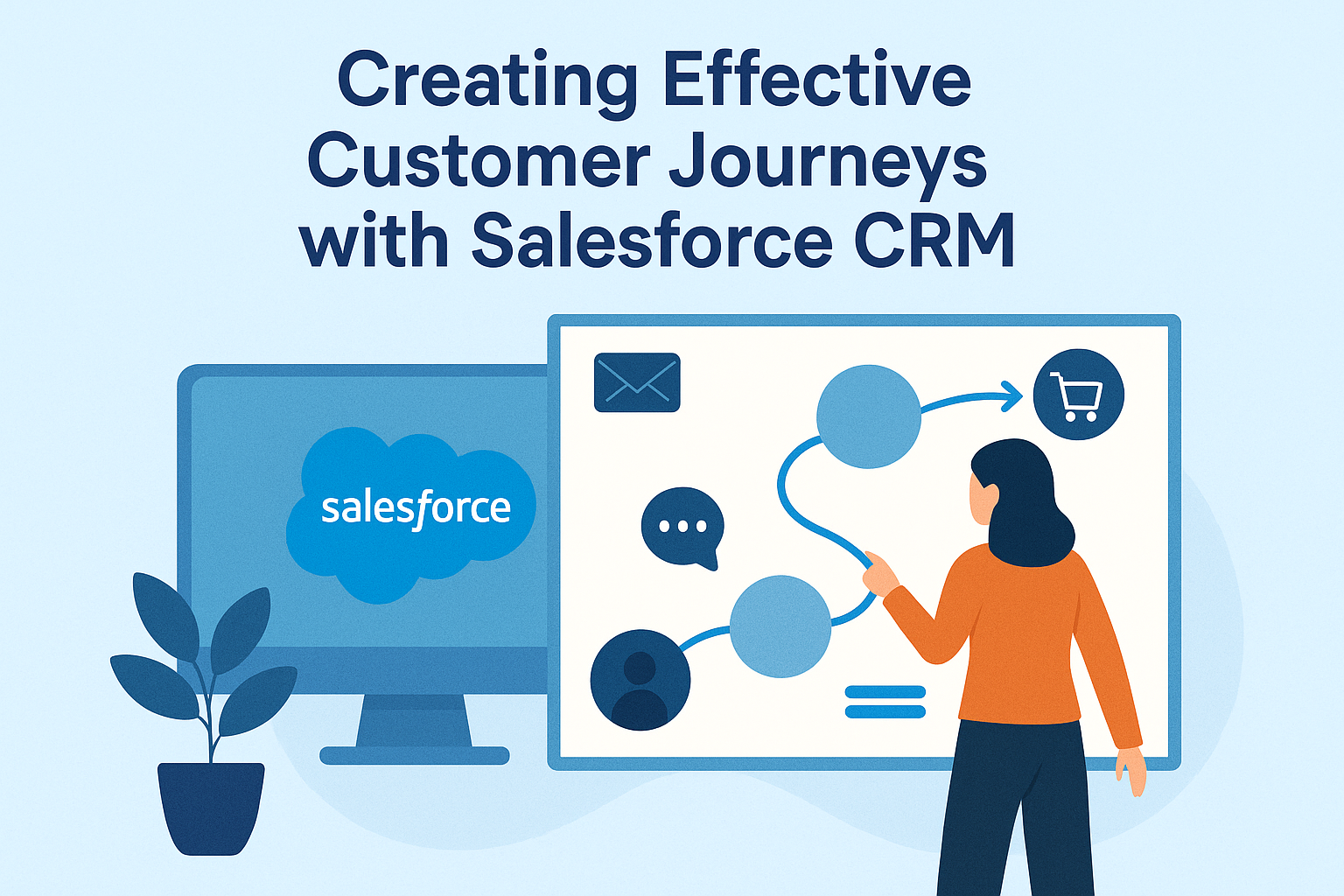
In the modern business landscape, understanding the customer journey is crucial for companies aiming to foster strong relationships, improve customer satisfaction, and boost sales. Salesforce CRM (Customer Relationship Management) provides a robust platform that enables organizations to create effective customer journeys through various tools and features. With its powerful data analysis capabilities, automation tools, and a scalable framework, Salesforce can help businesses seamlessly guide customers through every step of their engagement with the company.
Before diving into Salesforce CRM’s specific features, it is important to understand what a customer journey entails. The customer journey refers to the complete experience a customer has with a company, from the initial awareness stage through to post-purchase interactions. This journey may include:
Salesforce CRM serves as a centralized hub for every interaction a customer has with a business. By leveraging Salesforce’s features, companies can ensure a seamless experience across all stages of the customer journey.
Salesforce enables businesses to create detailed customer profiles that include demographics, purchase history, preferences, and previous interactions. This comprehensive data empowers sales and support teams to engage with customers more effectively. For instance:
Salesforce Marketing Cloud offers tools to automate marketing campaigns based on customer behavior. This ensures that customers receive timely communication, such as:
In today’s digital age, customers interact with brands through multiple channels—social media, email, phone, and chat. Salesforce enables businesses to maintain a consistent voice and messaging across all channels.
Data-driven decisions are essential for creating effective customer journeys. Salesforce provides powerful analytics tools that track customer interactions, campaign performance, and sales metrics. Businesses can analyze this data to:
Salesforce allows businesses to create customized workflows to automate and streamline processes. These workflows help in managing tasks at various stages of the customer journey, such as:
To begin mapping out an effective customer journey using Salesforce, follow these essential steps:
Understanding who your customers are is fundamental. Create detailed customer personas based on research, sales history, and demographics.
Identify every touchpoint along the journey—from awareness to advocacy. Mapping out each stage allows businesses to visualize the customer experience and identify areas for improvement.
Utilize the tools available within Salesforce to enhance each stage of the customer journey:
Regularly gather feedback through surveys and reviews. Salesforce’s platform can facilitate this feedback loop, allowing businesses to understand customer sentiments and areas needing improvement.
The customer journey is not static. Continuous evaluation and optimization of strategies are necessary. Make use of Salesforce’s reporting features to analyze performance data, and adapt your strategies as needed.
Salesforce CRM offers companies a powerful solution for creating effective customer journeys. By collecting and analyzing customer data, automating marketing efforts, and ensuring consistent communication across multiple channels, businesses can enhance the overall customer experience. With these tools at their disposal, organizations are better positioned to foster lasting customer relationships, boost retention rates, and ultimately drive growth.
Q: What are customer journey stages?
A: The main stages of a customer journey include awareness, consideration, purchase, retention, and advocacy.
Q: How does Salesforce CRM help with customer relationships?
A: Salesforce CRM centralizes customer data, automates communications, provides analytics, and integrates various channels, facilitating better relationships.
Q: Can small businesses benefit from Salesforce?
A: Yes, Salesforce is scalable and offers plans suited for small businesses, helping them manage customer relationships effectively.
Q: Is it necessary to map the customer journey?
A: Yes, mapping the customer journey allows businesses to understand customer experiences, identify gaps, and improve engagement strategies.
Q: What is marketing automation in Salesforce?
A: Marketing automation in Salesforce refers to using software to automate marketing tasks, such as sending emails or scheduling social media posts, enabling more efficient and targeted communication with customers.
By harnessing the full potential of Salesforce CRM, businesses can navigate the complexities of the customer journey and foster an environment of loyalty and satisfaction, thereby setting themselves up for long-term success.
Learn how to tailor CRM pipelines by industry without overcomplicating stages, fields, handoffs, or reporting.

Learn the warning signs that your CRM no longer fits, plus a practical plan for migration, cutover, and sales team adoption.

A practical guide to syncing CRM and email marketing data so sales and marketing can act on the same customer signals.